- 01
Population definition and identification
Define the geographic population and identify every member to ensure no one is left outside the system.
- 02
Health assessment and population segmentation
Assess health status and segment the population by need, risk, and complexity to enable targeted responses.
- 03
Risk stratification and impactability modelling
Identify who is at highest risk and where intervention will have the greatest impact on outcomes.
- 04
Tailored service delivery
Design and deliver care and support that is proactive, coordinated, and built around individual and community need.
- 05
Evaluation and improvement
Measure outcomes, learn continuously, and adapt — ensuring the system improves over time for everyone it serves.
PHM Advance
Population Health Management
We have the vision.
We have the blueprint.
We need the advance.
We Learn
Leading Population Health Management research, policy and practices from around the world set the vision.
We Support
Partnerships inject energy and support.
We Do
Population Health Management champions work differently for our populations.
We adapt as we advance.
Population health never stands still — so neither do we. We learn as we go, and reshape the work as needs change.
Our Tools
Population Health Management.
A proactive, data-driven approach to improving health outcomes across a whole defined population — not only those who seek care. It works by understanding a population's needs, identifying who is most at risk, and tailoring care and support through primary health care.
The frameworks
we build from.
The Population Health Advance draws on globally recognised methodological frameworks — translating them into applied tools for Ontario's health context.
Stage 1
Population definition and identification
Define the geographic population and identify every member to ensure no one is left outside the system.
Who are we serving?
Stage 2
Health assessment and population segmentation
Assess health status and segment the population by need, risk, and complexity to enable targeted responses.
What do they need?
Stage 3
Risk stratification and impactability modelling
Identify who is at highest risk and where intervention will have the greatest impact on outcomes.
Who needs action now?
Stage 4
Tailored service delivery
Design and deliver care and support that is proactive, coordinated, and built around individual and community need.
How do we respond?
Stage 5
Evaluation and improvement
Measure outcomes, learn continuously, and adapt — ensuring the system improves over time for everyone it serves.
Are we improving?The WHO European Region Population Health Management Cycle — five stages of Population Health Management in primary care.
Access WHO resource- 01
Accountable Regional Organisation
A defined regional governance structure with clear accountability for population health outcomes — the organisational anchor for PHM implementation.
- 02
Cross-domain Business Models
Sustainable financing and incentive structures that span organisational boundaries — aligning clinical, community, and social care around shared goals.
- 03
Integrated Data Infrastructure
Linked data systems across health, social, and community sectors that enable segmentation, risk stratification, and outcome measurement at scale.
- 04
Co-designing Workforce and Community
A workforce trained in PHM methodology and communities engaged as genuine co-designers — interventions built with, not for, populations.
- 05
Population Health Data Analytics
Analytical capability to translate linked population data into actionable intelligence — identifying need, predicting risk, and measuring impact.
- 06
Emergent Implementation Strategy
An adaptive, learning-oriented approach to implementation — responsive to local context and continuously refined through evidence.
- 01
Population Health Outcomes
Improving the health outcomes of defined populations — addressing the social, economic, and environmental conditions that determine health.
- 02
Experience of Care
Enhancing the experience of receiving care — person-centred, respectful, coordinated, and responsive to what matters most to the patient.
- 03
Care Team Well-being
Supporting the health, satisfaction, and sustainability of the workforce that delivers and supports care — system performance depends on its people.
- 04
Cost of Care
Reducing or stabilising the per-capita cost of care — eliminating waste and investing upstream to lower long-term system burden.
- 05
Health Equity
Actively closing gaps in outcomes across population groups — ensuring the system works fairly for everyone.
- 01
PHM Strategy and Population Needs Assessment
Understand the priority needs, strengths, and health disparities of a defined population through local planning and community health assessment — grounding the strategy in community need.
- 02
Gathering Member Information
Gather accurate, robust health and social data, screenings, and assessments to understand each person's needs, goals, and preferences — so they receive the right service at the right time and place.
- 03
Understanding Risk
Differentiate the whole population into meaningful risk groups and segments — high, medium-rising, and low — so care and resources are matched to each person's level of need.
- 04
Providing Services and Supports
Deliver the right services and supports to everyone — from population-wide basic care and prevention to targeted care management and transitional care for those with the greatest needs.
Our Team
The people behind
the advance.
Led by a core team and guided by Global Advisory Board — built for this work.
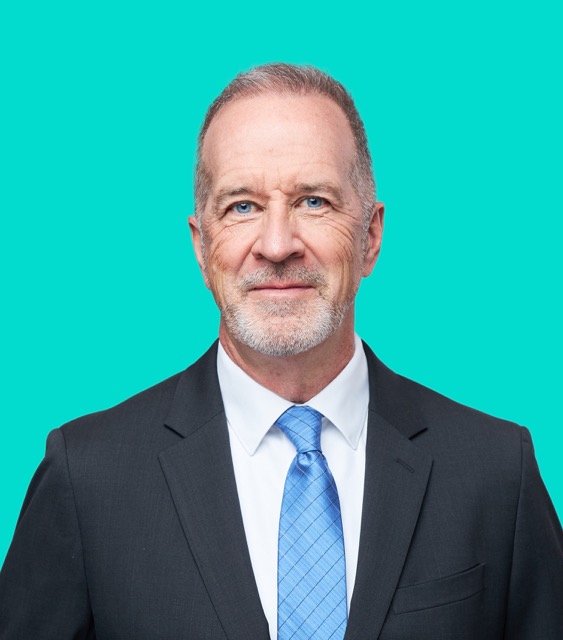
Paul Woods, MD
President & CEO
Southlake Health
Read bio
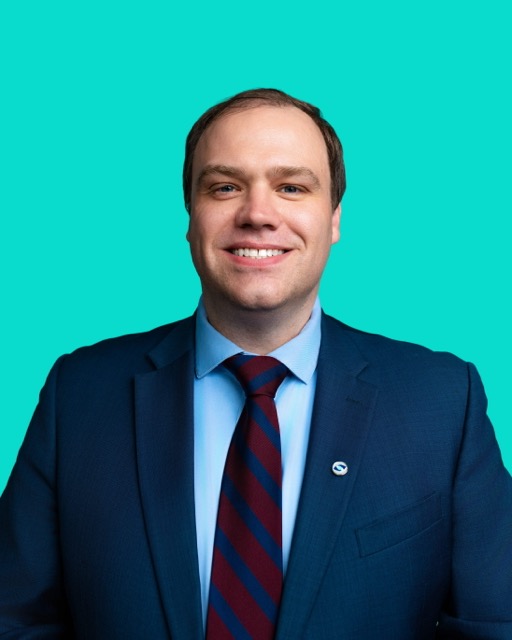
Tyler Chalk
EVP & Chief Strategy Officer
Southlake Health
Read bio

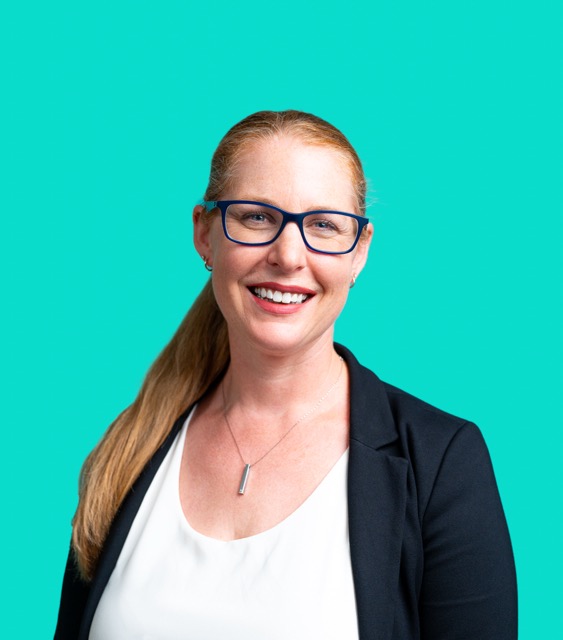
Matt Meyer, PhD
Executive Director, Population Health Management
Southlake Health
Read bio
Jennie Popplow, MBA
Director, PHM Advance
Southlake Health
Read bio

Caitlin Simmons
Lead, Partnerships & Engagement
Southlake Health
Read bio

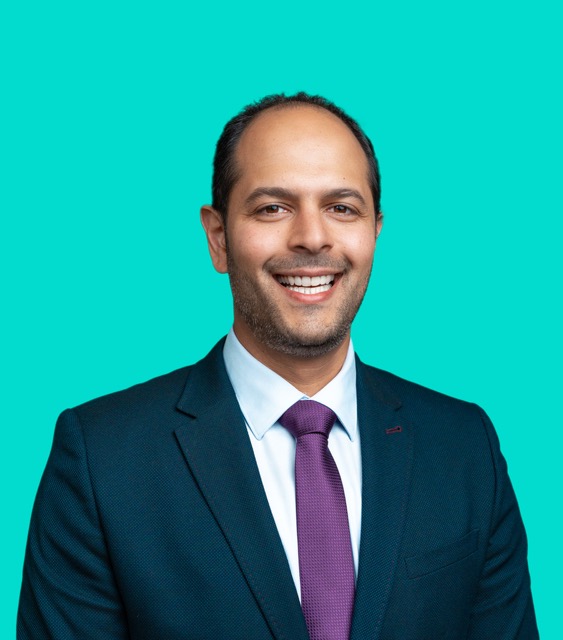
David Srour, MD
Chief Integrated Care & System Transformation Officer
Southlake Health
Read bio
David Makary, MD
VP, Academics & Community Health
Southlake Health
Read bio

Lolia Awoyesuku
Master of Public Health Student
Western University
Read bio

Okueso Oyinkansola, MD
MHSc Candidate, Global Health Systems
Western University
Read bio

Reilly Fisher
Medical Student
Gulf Medical University
Read bioComing soon
Our network of Population Health Management Champions is being established. Check back soon.
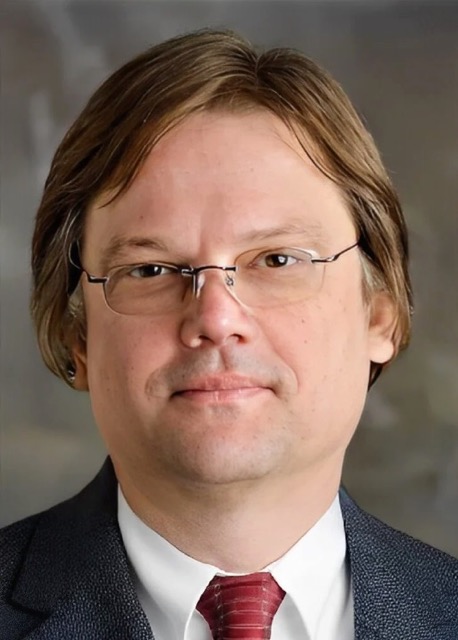
Paul Harkaway, MD
Senior Advisor, Ridgeline Health Group
Read bio
Mallika L. Mendu, MD, MBA, FASN
Chief Population Health Officer, Mass General Brigham; Associate Professor, Harvard Medical School
Read bio
Jason Sutherland, PhD
Director, CHSPR; Professor, UBC School of Population and Public Health
Read bio
Michael Apkon, MD, PhD, MBA
President, Sand Street Advisors; Former CEO, Tufts Medical Center & SickKids
Read bio
Madonna Gallo
Chief Strategy Officer, SE Health
Read bio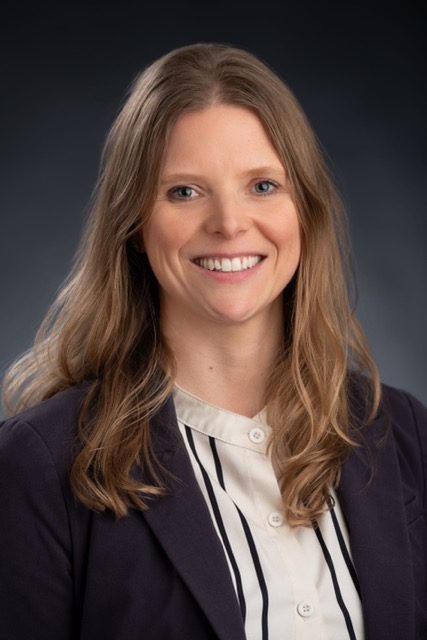
Erin Cook, RN, MSN
Associate CEO, CIUSSS West-Central Montreal
Read bio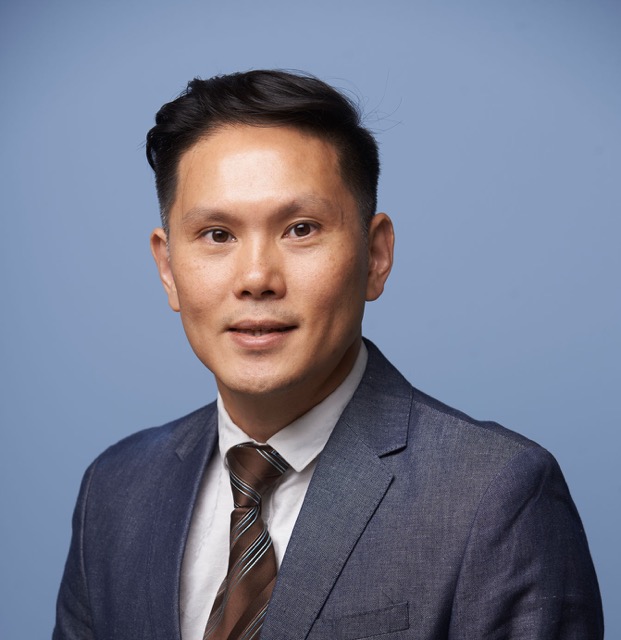
Yeuk Fan Ng, MD
CEO, Deep Systems Praxis Pte Ltd; Adjunct Associate Professor, National University of Singapore
Read bio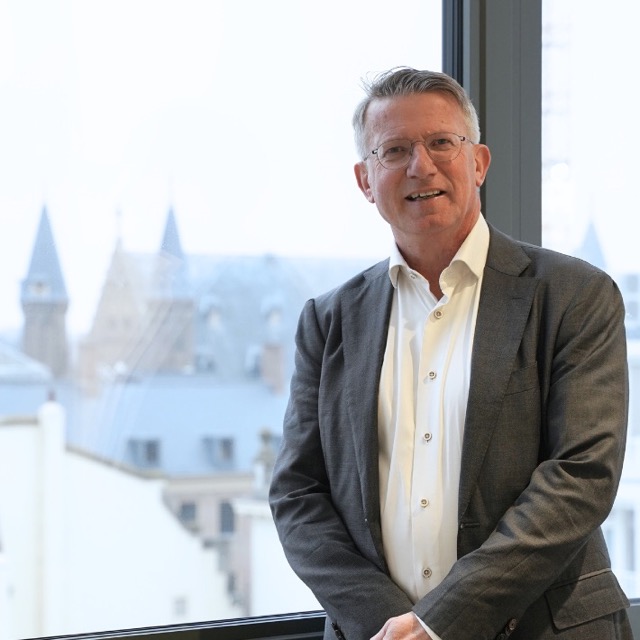
Marc A Bruijnzeels, PhD
Professor, Leiden University; Director, Jan van Es Institute
Read bio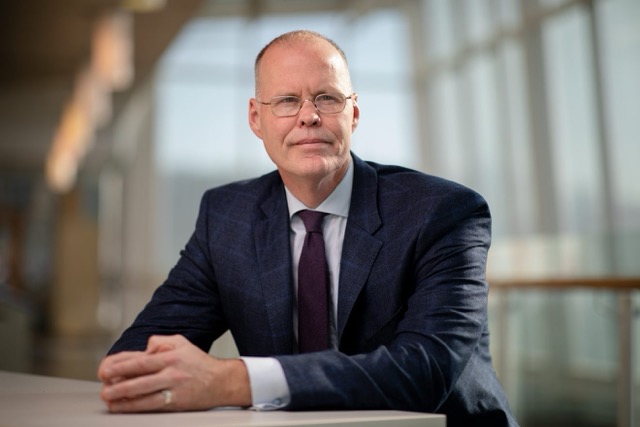
Adalsteinn (Steini) Brown, DPhil
Dean, Dalla Lana School of Public Health, University of Toronto
Read bio
Rosalie Wyonch
Associate Director of Research, C.D. Howe Institute
Read bio
Gina Johar
Senior Vice President, Data & Knowledge Management, Infrastructure Ontario
Read bioOur Work
What the Advance
is building.
Our Process
How we identify
and advance projects.
Three steps take us from a Population Health Management problem to a solution that drives change.
01
Identify a problem where a PHM solution could help and PHM champions already exist or could be trained.
02
Explore whether an implementation-ready solution already exists through international partnerships — and, if not, create or adapt a foundational one for our population.
03
Advance solutions to drive lasting change.
Supporting Every Project
Global Advisory Board
Our advisory board provides independent oversight on project feasibility, methodological rigour, and strategic alignment — ensuring that every project we advance is grounded in the best available population health evidence and positioned to scale.
Feasibility Review
Methodological Rigour
Strategic Alignment
Building blocks we create or adapt — the tools, measures, and evidence that make Population Health Management possible.
In Progress
Population Definition
A commitment to Population Health Management starts with a commitment to population definition and identification (see the World Health Organization framework under 'Our Tools'). Yet this important step is often overlooked.
Working with the Northern York South Simcoe Ontario Health Team (and partners within), our Primary Care Network, and local municipalities, our core catchment area has been divided into five well-defined geographic boundaries: Aurora, Bradford West Gwillimbury, East Gwillimbury, Georgina, and Newmarket. In alignment with PHM principles, these boundaries allow exploration into the unique needs of a well-defined population. Similar exercises are ongoing for South Simcoe and other surrounding geographies where OHT boundaries overlap.
Complete
Care for All — A Population Health Assessment for Georgina
Completed in June 2026 via a partnership between Southlake Health, the Town of Georgina, and the NYSS OHT, this report presents a population health and wellness assessment for the Town of Georgina. It combines population trends, health service utilization patterns, service inventory information, and community input to provide a shared evidence base for planning, coordination, and decision-making.
The recommendations are intended to guide coordinated future planning and collaboration, while decisions regarding implementation, sequencing, and resourcing will be determined by participating organizations and partners based on their respective mandates, priorities, and available capacity. Similar reports are now being considered for each of the other communities we support, starting in Bradford West Gwillimbury.
In Progress
Care for All — A Population Health Assessment for Bradford West Gwillimbury
Southlake Health, the Town of Bradford West Gwillimbury, and the Northern York South Simcoe Ontario Health Team (NYSS OHT) are partnering to develop a population health and wellness assessment for the community. Drawing on population trends, health service utilization data, community assets, and local input, the assessment will create a shared evidence base to support future planning, collaboration, and decision-making.
The assessment will identify community strengths, emerging needs, and opportunities to improve health and wellness outcomes. Findings will support coordinated action across organizations and sectors, while implementation decisions will be determined by participating partners based on their respective mandates, priorities, and resources.
In Progress
Population Segmentation
Segmentation and risk stratification are critical components of effective Population Health Management, and many tools have been developed to support the process. While each offers some value, they are only really useful if they lead to some form of coordinated action.
Working with partners from Yishun Health in Singapore, we're adapting their Lifelong Care Segmentation methodology for use in the Ontario context. The strength of this approach is that every member of a population can be placed into only one of 16 segments at any point in their life, and these segments account for a person's level of physical, mental health, and social needs.
The approach doesn't replace other tools being used — it complements them. That way we can avoid debates over which tools to use and focus our energy on the important work of tailoring services to meet people's needs.
In Progress
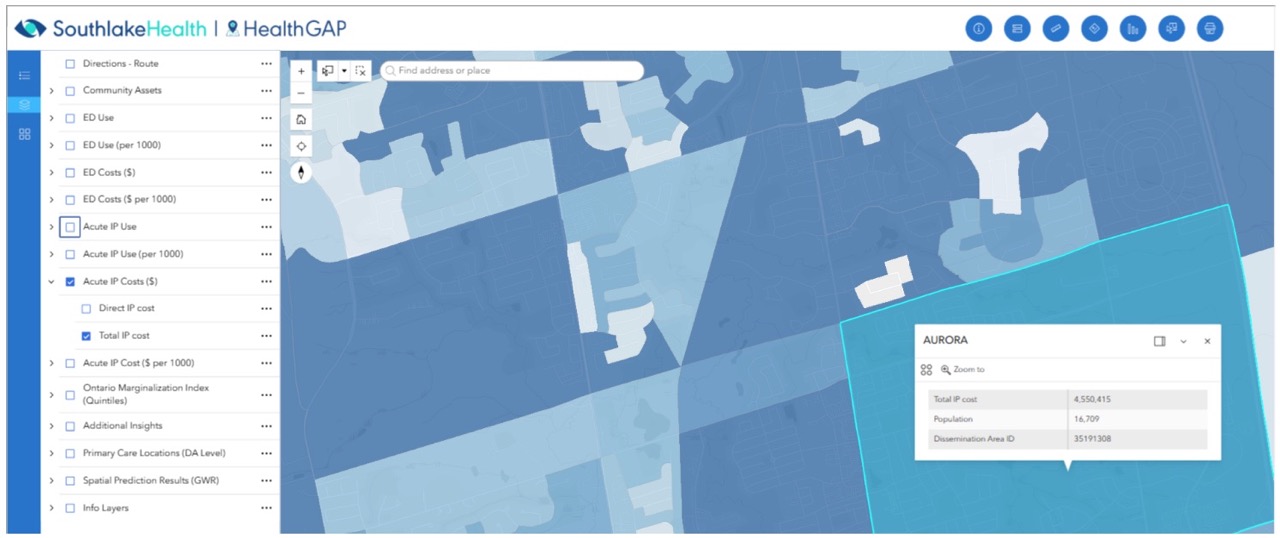
HealthGAP
Hospitals have experienced a series of barriers in investing in geoanalytics (data integration, technical capabilities, procurement, costs). Over the last four years Southlake Health has built HealthGAP, a web-based tool (no advanced skills are required for users) to easily geo-map a hospital's operational, utilization and cost data to inform planning, strategy, operations and evaluation. In addition to hospital clinical and financial datasets, HealthGAP includes the Ontario Marginalization Index, scoring for four key social determinants of health indicators at the neighbourhood level.
HealthGAP has been used at Southlake to support Population Health Management interventions, redevelopment planning and partnership prioritization. By making sophisticated geospatial analytics accessible to non-technical users, HealthGAP enables organizations to make faster, more informed decisions about where to target resources, design interventions and build partnerships that improve population health outcomes.
Connect with the PHM Advance to learn more about bringing HealthGAP to your organization.
Ongoing
Harbour of Hope
Developed in 2025, Harbour of Hope is an interactive card game used to teach system thinking and Population Health Management to health professionals, administrators and policy makers. The game can be adapted to training environments from 10 to over 100 participants.
Demonstrated in a workshop at the 2026 International Conference for Integrated Care, the game is now being used around the world as a training tool. For more information contact our team at the PHM Advance.
Complete
Population Avoidable Days
Every day a person spends in a hospital bed unnecessarily is a waste of resources and is potentially harmful to the patient and the staff who care for them. It is also a sign of a healthcare system failing.
As we seek to use Population Health Management approaches to drive system change, we needed a way to measure the size of the challenge ahead of us and meaningful progress over time. Population Avoidable Days represents four commonly used hospital metrics rolled into one. It brings together information on admissions that could have been avoided, long lengths of stay, people who don't need hospital care but have nowhere else to go and people who are readmitted for something that could have been prevented.
Added together, they give us a measure of the problem. They also give us a target that we can use to do something differently for the people in these beds.
System-level projects that put Population Health Management into practice — reshaping how care is delivered for whole populations.
In Progress
Neighbourhood Health Homes — Health Hubs
Neighbourhood Health Homes are a key component of our strategy to bring Population Health Management to life. Using a Hub and Spoke model of Primary Care for each community, we are working towards a system where 100% of local residents have access to Primary Care 7 days a week via a no-refusal policy (ie. local residents will never be turned away).
The first of these hubs has been opened in Georgina. An interprofessional team has been hired that includes Care Managers and Care Navigators. The team is now working with local providers to establish the Health Home network that will soon become the 'front door' to the healthcare system for every resident of Georgina today and indefinitely into the future.
In Progress
Care Management
Care Management is a well-established discipline in other systems that has yet to be built in Ontario. Care Managers are (typically) registered health professionals (Nurses or Social Workers) who take on long-term accountability for a roster of high-needs individuals and support the coordination of care and services across the system.
What sets this role apart from similar ones in Ontario is their accountability to the people they support, not the organizations they work for. Taking a holistic approach to care, they get to know their clients in context and support them with diverse care that can range from active care (counselling or medical treatment) to care coordination, system navigation, and/or self-management.
As a key component of our Neighbourhood Health Home strategy, Care Managers have been hired in Georgina, Aurora, and Newmarket and are forming a local community of practice as their rosters form.
Population Health Management in Action
Building the Southlake Distributed Health Network
Southlake Health is transforming into a Distributed Health Network (DHN). This is a real-world example of Population Health Management at scale. Rather than concentrating care in a single hospital, the DHN organises services across multiple community sites across northern York Region and southern Simcoe County — meeting people where they live.
Population Health Management is central to how the Southlake Health DHN identifies community need, designs care pathways, forms partnerships and allocates resources across the diverse communities we serve throughout our 1,200 square kilometre catchment area. Insights drawn from population data are driving how care is structured — before people need acute hospital intervention.
The Population Health Management Advance is enabling the DHN to demonstrate that this model works — and to build the evidence base for its expansion across Ontario.
Advance Notice
Advance with us.
Get updates on our projects, evidence, and progress in Population Health Management — and tell us if you'd like to help shape the work, not just follow it.